

Self-exclusion is one of the simplest ways I’ve seen players reclaim control of their gambling. It’s a conscious pause that helps you reset your habits and shield your well-being. At καζίνο slotoro προστασία παικτών Casino, we offer straightforward self-exclusion tools because your safety comes first—but the decision to step away still has to come from you. I’m here to guide you through the process with tips that can turn self-exclusion into a real game-changer.
1. Understanding Self-Exclusion and Why It Counts
Voluntary exclusion is a self-imposed request to limit your access to a casino’s services for a set period. Think of it as more than a brief break—it’s a real commitment to step back and take stock of your habits. I’ve watched it minimize impulsive decisions and make room for more balanced routines. It’s a proactive move to preserve your mental health and your bankroll. At Slotoro, we make available this tool because we’ve seen how vital it can be.
Many players hold back because they’re afraid of giving up their entertainment. I point out to them that self-exclusion is short-term and adjustable. Pulling back hands you the advantage of perspective. You might return with a sharper head, or you might realize you don’t long for gambling at all. The key is to see exclusion as an expression of control, not a punishment.
2. Spotting the Warning Clues Prior to You Opt Out
Ahead of you ask for an exclusion, it helps to gain clarity on the reason you’re thinking about it. Be truthful with yourself about your gambling behaviors. The tool works best when it tackles genuine warning signs, rather than a annoying losing streak. Here are some signs I have noticed many times that mean it’s time to step away:
- You often go after losses or add more than planned.
- Gambling interferes with work, relationships, or sleep.
- You hide your gambling from family or friends.
- You feel restless or irritable when you endeavor to scale down.
- You obtain money or dispose of possessions to stay in the game.

If any of these strike a chord, don’t dismiss them. Recognizing these patterns early gives self-exclusion far more punch, because you’re addressing the root problem rather than leaning on willpower alone. I have collaborated with plenty of people who realized that naming those signs was the toughest step—and the most relieving.
5. Selecting the Correct Duration for Your Self-Exclusion
I’m regularly asked how long a self-exclusion should last. It varies, but I generally recommend at least six months. That period lets your brain rewire those habitual cues and reduces cravings. A month-long break can work if your gambling is mild, but I’ve seen too many people bounce straight back without real change. Exclusions of a year or more allow deeper healing, especially if gambling has been a long-standing struggle.
Slotoro Casino lets you pick from several months all the way up to a permanent ban. I suggest a duration that feels challenging but reachable. If you’re uncertain, you can extend it later—you just can’t easily shorten it. That resistance protects you from snap reversals. When your health is on the line, going with a longer break is almost never a mistake.
3. Configuring Deposit and Time Limits as a Primary Phase
You might not feel ready for total exclusion, and that’s okay. I generally suggest players to begin with clear limits to claw back a feeling of control before a full stop. At Slotoro Casino, you can set daily, weekly, or monthly deposit limits and session time reminders straight inside your account. View them as safeguards that force you to hesitate and reflect before your spending increases. Below is how I advise using these restriction tools as a personal-care foundation:
- Access your account and access the responsible gambling tools.
- Select a deposit limit that aligns with an entertainment budget, not the total balance you possess.
- Establish a session duration that cuts you off after 30 or 60 minutes.
- Activate reality checks so the system presents you with time and spend at regular intervals.
- Once saved, commit to yourself under no circumstances to elevate a cap on a whim. Grant any change a 24-hour reflection ahead of it takes effect.
These minor changes can uncover how mechanical your gambling had grown. Following them might reveal that total self-exclusion is the logical next move if circumstances fail to get better. I’ve witnessed players restore personal trust merely by proving they could uphold their own limits.
4. Ways to Initiate a Voluntary Exclusion Application at Slotoro Casino
Once you’re prepared to commit, beginning a self-exclusion is straightforward. At Slotoro, I suggest starting by reaching out to our support team via live chat or email. Just tell them you want to self-exclude; they’ll help you with it without any criticism. You can also use the self-service tool in your account dashboard under responsible gambling—it enables you to trigger an exclusion right away. The entire procedure takes a few minutes, and we process it instantly so there’s no lag.
Before you confirm, be certain you’ve withdrawn any leftover balance. Once the exclusion starts, your account is blocked, so taking care of your money in advance saves you extra worry. I also suggest getting a final transaction receipt so you have a clean record. The aim is a clean break, with nothing left unresolved.
6. What Occurs After You Activate Self-Exclusion
Once your exclusion is live, Slotoro freezes your account immediately. You won’t be able to log in, deposit, play, or get any promotional messages. We also instantly delete you from our marketing lists and stop push notifications. Remember that the exclusion covers only this brand, so if you play on other sites, it’s advisable to self-exclude there too. A overall approach keeps you from just shifting the action somewhere else, which can defeat the whole point.
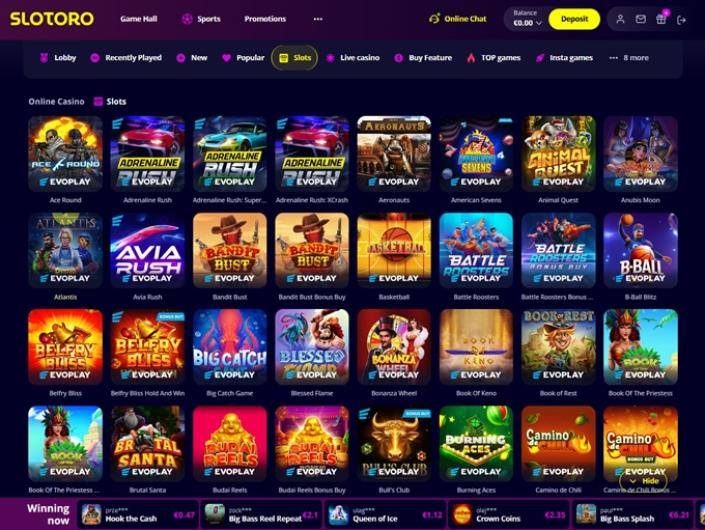
While you’re excluded, accessing the account cannot be done. If you seek to work around it by establishing a new profile, our identity checks will identify and prevent that. This firm enforcement is not about punishing you—it’s about honoring your commitment and offering you a stress-free space. Realizing those protections are there often brings a huge sense of relief.
Number 7 Complementing Exclusion with Outer Support Networks
Voluntary exclusion creates a robust fence, but I’ve never seen it function effectively in isolation. The emotional and psychological pull of gambling needs support alongside the ban. I advise anyone using self-exclusion to engage with professional counseling or a peer support group. GamCare and BeGambleAware offer free, confidential help that can expose your triggers. I’ve seen long-term success rates shoot up when people match an exclusion with therapy or a support network.
Communicating openly with a trusted friend or family member also reduces the emotional burden. When people cut off themselves with their struggle, shame grows. Including a loved one into your journey transforms shame into accountability. I have watched clients transform shame into motivation simply by stating their decision aloud. That accountability can be the cornerstone of lasting change.
For many people, self-exclusion works best when paired with a plan for the hours you used to spend gambling. I suggest making a list of alternative activities, like exercise, learning a skill, or volunteering, that offer you a sense of purpose. Boredom is a common trigger, and filling that void intentionally diminishes the pull to gamble.
Voluntary exclusion is not a failure. It is a deliberate, brave choice to protect your well-being. In the weeks ahead, you may feel restless or uncertain, but give the process time. Occupy your days with activities you enjoy, reconnect with neglected hobbies, and lean on the support networks you’ve built. At Slotoro Casino, we honour your decision and look forward to welcoming you back if and when you feel ready—on your terms, not gambling’s.